Implant Crowns vs. Traditional Crowns: What Patients Should Understand
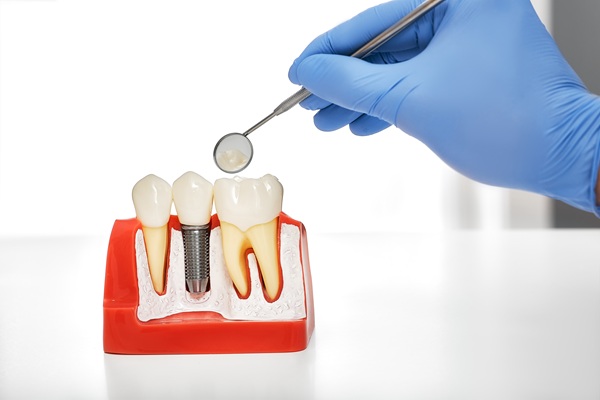
Patients comparing implant crowns and traditional crowns often want a clear, practical explanation. Implant-supported crowns replace a missing tooth by attaching to a dental implant, which functions as an artificial tooth root placed in the jawbone. Traditional crowns cover and reinforce an existing natural tooth after decay, fracture, or a large filling. Both restore shape, strength, and appearance, yet they solve different problems. A general dentist reviews oral health, bone levels, and bite mechanics to recommend the best course of action for each situation.
Fit, function, and feel
Implant crowns connect to an abutment, a small connector on the implant, either by a screw or dental cement. This design does not involve neighboring teeth, so it preserves surrounding enamel. In contrast, traditional crowns require reshaping the natural tooth so the custom cap slides over and seals the prepared structure. If a tooth lacks adequate structure, a core build-up or post may support the crown. In day-to-day function, both options allow the patient to chew and speak comfortably.
Sensation differs slightly; natural teeth feel pressure through the ligament around the root, while implants feel pressure through the bone. Key differences to consider include:
- The number of missing teeth
- Bone volume for implant stability
- Impact on adjacent teeth and enamel
- Hygiene access around the margin or implant
- Timeline from start to final restoration
Discussing these points can help the dentist recommend which solution best fits the patient's needs and preferences.
Materials and longevity
Material choice influences appearance and durability. Zirconia resists chipping and provides a tooth-colored, metal-free option. Porcelain-fused-to-metal combines a strong base with a ceramic exterior for lifelike shading. All-ceramic systems offer translucency that blends with natural teeth in the smile zone. For implant crowns, material selection also considers screw access, occlusal load, and space for the abutment.
Longevity depends on many factors: home care, professional cleanings, diet, bite forces, and adherence to follow-up visits. Parafunction, such as bruxism, can stress any crown; night guards and careful occlusal design help protect the restoration. Regular maintenance appointments allow timely polishing, screw checks for implant restorations, and evaluation of gum health around margins.
Costs, timelines, and care
Treatment timelines vary. Implant crowns typically involve planning, implant placement, healing, and the final crown after integration. Provisional options maintain appearance during healing. Traditional crowns often require fewer steps when the tooth has healthy roots and supporting bone. Home care remains essential for both choices.
Daily brushing, targeted flossing with floss or floss threaders, and water flossers help manage plaque around crown edges and implant components. Professional cleanings and periodic X-rays monitor bone levels, crown fit, and contact points. Patients who invest time in targeted hygiene and routine care support better comfort and durability over the long term. Transparent conversations about phased treatment and potential repairs set realistic expectations and help avoid surprises.
Schedule a consultation
Choosing between implant crowns and traditional crowns starts with a thorough exam, clear imaging, and a conversation about goals, habits, and timeline. A general dentist will explain the benefits, limitations, and maintenance needs for each path so patients feel confident moving forward. For more information or to schedule an appointment, call our office.
Request an appointment here: https://chambleedental.com or call Chamblee Dental Care at (770) 238-4316 for an appointment in our Chamblee office.
Check out what others are saying about our dental services on Yelp: Implant Crowns in Chamblee, GA.
Recent Posts
Patients with dental implants often have questions about the affixed implant crown. Dental implants are ideal for replacing lost tooth roots, and crowns are crucial for helping you get your desired smile. One common query that dentists deal with is the possibility of replacing the dental crown on the implant.Patients will have a better knowledge…
Implant crowns are a long-term solution to tooth loss that are easy to care for, but the process of receiving the new and beautiful replacement teeth is not always pleasant. To make the aftercare process following the placement procedure go as smoothly as possible, it is helpful to learn some aftercare tips from a dental…
Dental implants provide an alternative to dentures and dental bridges when it comes to replacing missing teeth. The process involves fusing titanium posts, which act as tooth roots, to the jaw and placing an artificial tooth to the abutment that is attached to the post. The implants hold the artificial teeth in place and also…
Getting approval for dental implants is the first step in the process. Anyone interested in dental implants must undergo a consultation, examination, and assessment to be a viable candidate for the surgical process. Since an implant is surgically inserted into the jawbone, the patient needs to have sufficient bone and be free of gum disease.…